Digital Life • 8 min read
Make an offline music library feel like a shelf of albums
Use consistent album identities, useful tags, and a modest listening check to make legally owned music easy to browse without a connection.
 A more intentional digital life
Fifty practical perspectives on the technology in your day.
Use consistent album identities, useful tags, and a modest listening check to make legally owned music easy to browse without a connection.
Treat listening progress as a separate piece of information, and move it through supported sync, exports, or a clear manual handoff.
Use a small, representative project to discover what a new application preserves, changes, and leaves behind.
Turn recurring unfamiliar terms into a small, contextual reference that helps with real decisions and stays honest about uncertainty.
Create a small television photo selection with clear subjects, respectful context, and pacing that suits shared viewing.
Give loose cables useful identities, gentle storage, and a clear boundary between ready spares and items that need replacement.
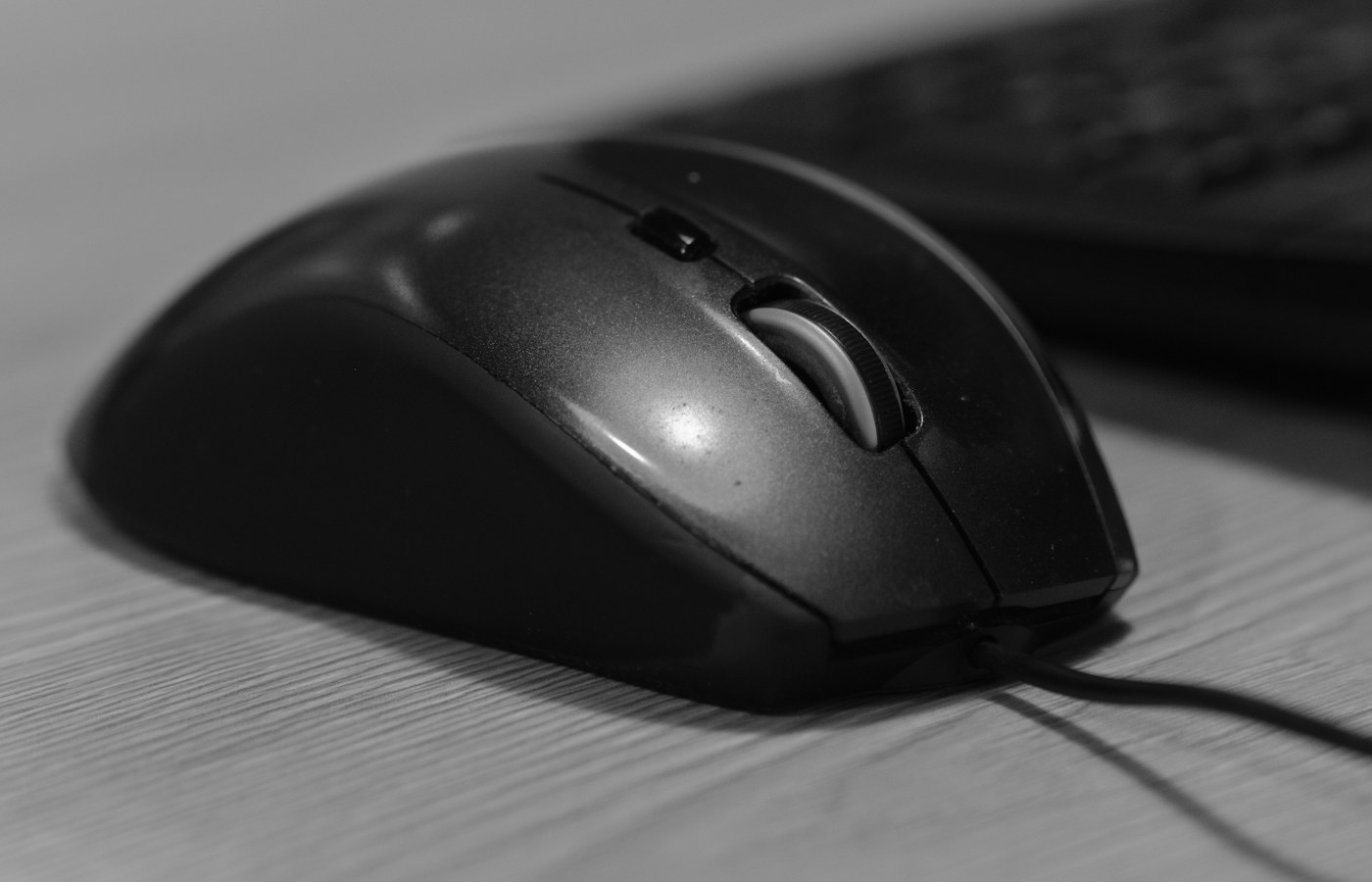
Choose pointer behaviour around familiar tasks, record the settings, and keep physical placement consistent without turning preference into a health claim.
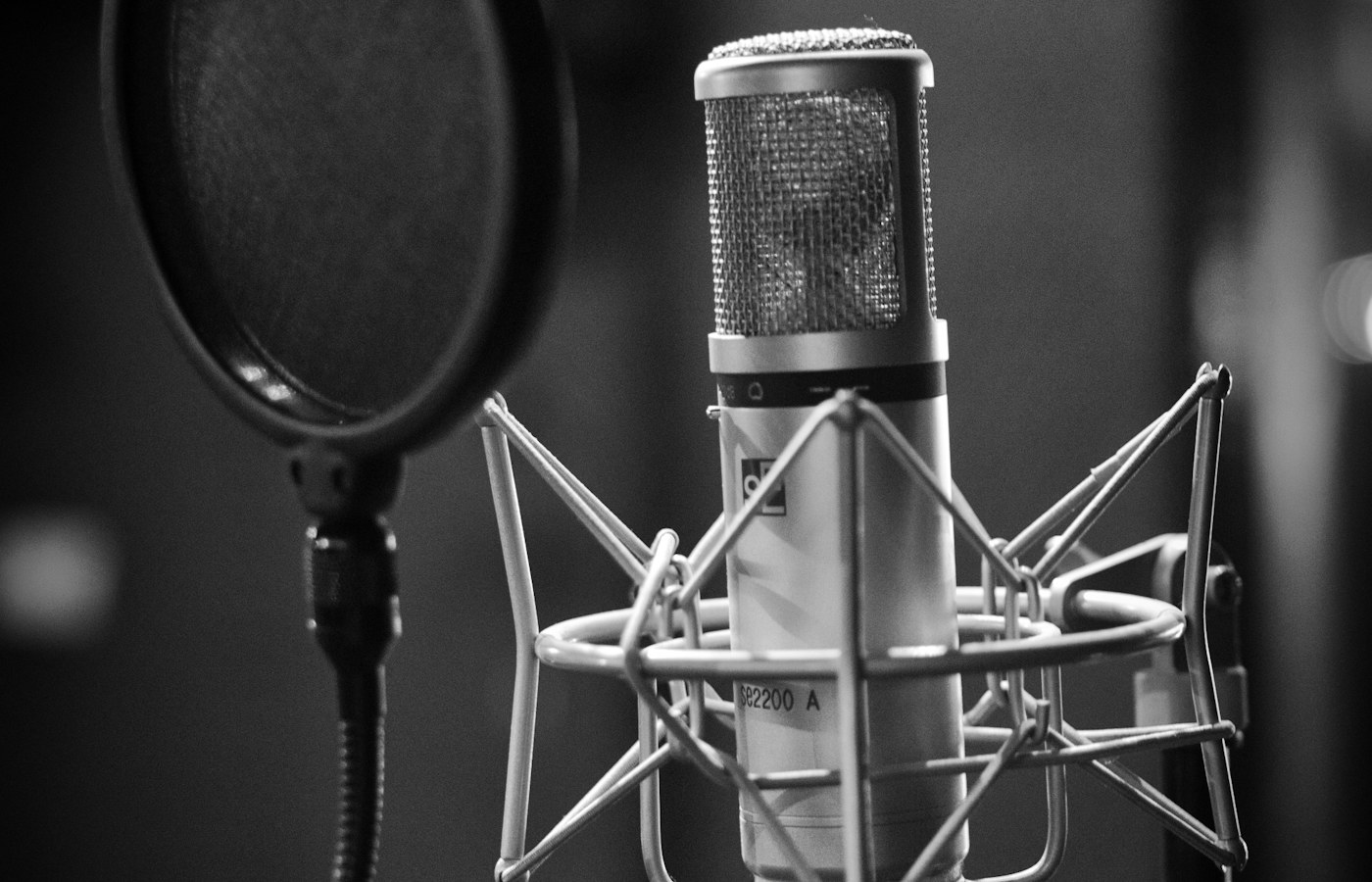
A deliberate ambient recording begins with permission, a quiet position and a clear idea of what belongs in the finished piece.
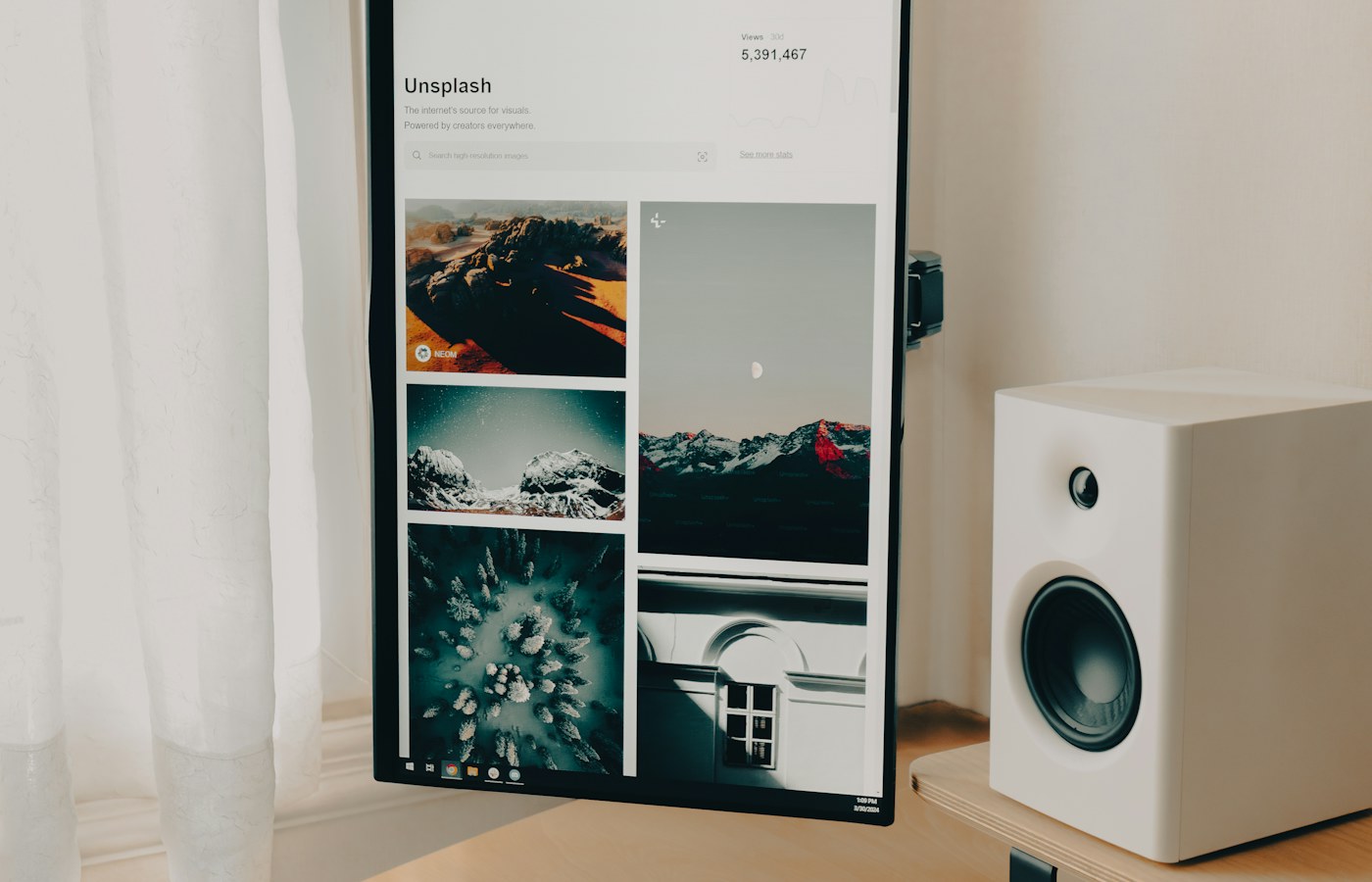
Choose orientation around the task, learn the lock behaviour of your apps and keep a simple way back when the screen turns unexpectedly.
A routine that worked on setup day may no longer fit the household. Review its usefulness with ordinary observations and a clear manual alternative.
An offline research folder needs more than a pile of saved links. Build a small, readable working collection before your next journey.
A smooth call depends on steady delivery, clean audio, and predictable software behaviour. Here is how to isolate the weak link.
A dependable print workflow starts with the document, the queue, and the network address rather than repeated reinstalls.
A clean presentation session, local copies, and a rehearsed display setup reduce both technical surprises and accidental disclosure.
Treat each screen arrangement as a working layout, then make the transition between them predictable.
Define when the computer is ready, measure comparable starts, and change one plausible cause at a time.
Build a small personal shortcut set by observing repeated actions, checking context, and practicing recovery.
Use named people, a few purposeful groups, and explicit access tests to maintain a small shared storage system.
Maps, tickets, contact details, and a simple fallback can make a disconnected day manageable without filling the phone with unnecessary apps.
A shared screen needs clear boundaries for purchases, messages, photos, and handover. Start with what the operating system actually supports.
Readable pages, sensible filenames, and a checked export matter more than an impressive scanning animation.
Give recordings clear identities, review them on a small schedule, and preserve important audio outside the capture app.
Separate disposable downloads from irreplaceable files, make recoverable copies and change one storage category at a time.
Use a few familiar screens to balance readable text, useful context and controls you can reach without guesswork.
A thumbnail, a local original and a cloud library item can look identical. Understand the storage relationship before making space or changing devices.
Prepare translated addresses, short requests, and directions that remain useful beyond the reach of mobile data.
Plug-in energy readings become useful when you distinguish power from energy, compare like with like, and leave unsafe measurements alone.
A convenient automation should remain understandable when a sensor, account, or internet connection stops cooperating.
A short household network record can turn a mysterious collection of boxes into a system another person can understand and recover.
Prepare a readable connection card and a limited guest network while keeping household administration separate.
Turn an unfamiliar collection of remotes, HDMI ports, and sound settings into a short guide anyone at home can follow.
Choose a location around everyday tasks, audibility, physical access, and informed household preferences.
Distinguish clock events, countdowns, and sunrise rules before relying on a plug to follow a household routine.
Build a small reference collection that helps with setup, support, repairs, and eventual ownership changes.
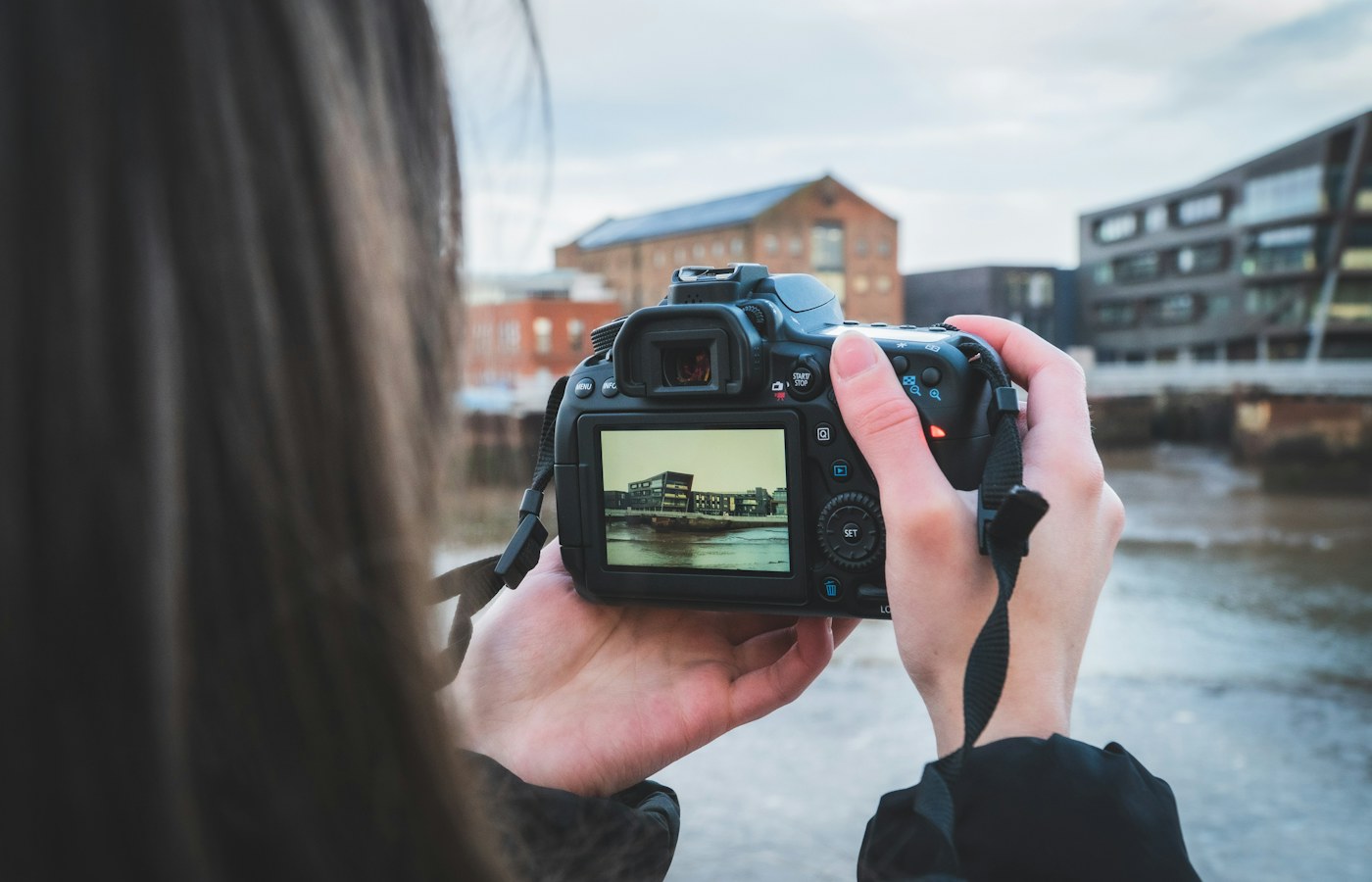
A practical routine for changing lenses, protecting equipment, and deciding when a mark needs professional attention.
Use one reference frame, a clear shutter priority, and deliberate adjustments to make manual exposure less distracting.
A small overview can reveal stronger sequences, missed variety, and duplicate frames that individual previews conceal.
Keep a master, make a purposeful delivery copy, and check what actually reaches the viewer.
Separate camera originals, working media, project files, and deliveries so an edit remains recoverable after the deadline.
Capture the quiet character of a recording space so cuts feel continuous without hiding problems in the original sound.
Build a podcast edit around meaning, pacing, and transparent decisions before reaching for cleanup tools.
Make a careful capture, preserve context, and build an archive that relatives can understand without the original shoebox.
Preserve useful messages with their context, choose a manageable export routine and test the archive before treating it as a backup.
A clear event title, an intentional time-zone setting and a short verification routine prevent ordinary scheduling confusion.
A downloaded archive becomes useful only when you can identify its contents, open representative files and recover the information you care about.
A small receipt system works best when purchases, returns, and supporting documents stay connected.
Separate discovery, selection, and reading so a saved link does not become an indefinite obligation.
A restrained naming convention makes downloads, drafts, and shared documents easier to recognize without opening them.
An accessible map of services and responsibilities can help another person handle ordinary digital tasks without inheriting your whole account.
Decide what each capture is for, preserve its context, and remove temporary images when their job is done.