Record a sense of place without collecting other people’s conversations
A deliberate ambient recording begins with permission, a quiet position and a clear idea of what belongs in the finished piece.
Choose a sound rather than merely a location
A useful ambient recording has a subject. It might be rain against a window, leaves moving beside an open doorway or the low mechanical rhythm of a familiar workshop when nobody is speaking. Naming the subject helps you decide where to place the recorder and when to stop. Without that intention, it is easy to return with a long file containing footsteps, handling noise and unrelated conversations, while the sound that interested you remains somewhere in the background.
Begin somewhere you control or have clear permission to record. A room in your home can provide an excellent first exercise without the distractions of a busy public place. Describe the sound in a sentence and decide how you might use it: as a short transition in a personal video, a reference for a sound project or a standalone observation. The intended use affects how much continuity you need. You are collecting a purposeful piece of sound, not accumulating recordings simply because storage is available.
Make consent and privacy part of the plan
Avoid aiming a recorder toward private conversations or treating people in the background as anonymous scenery. A voice can identify someone even when their name is not spoken. If people may become recognisable in the recording, discuss the project and obtain appropriate permission before recording or sharing it. Follow the rules of the place and any applicable requirements. This guide does not provide a general permission to record in public or override another person's expectations of privacy.
Choose a different position or time if a conversation cannot be excluded. Do not rely on a promise that you will remove everything later; voices can overlap with the sound you want, making separation difficult. If the subject itself involves other people, plan it as a collaborative recording with clear expectations about use. For a first ambient project, a controlled environment without conversation is simpler. Respectful subject selection improves the recording as well as reducing the amount of private material that enters your files in the first place.
Listen before arranging equipment
Spend a few minutes listening without recording. Notice the continuous background, the recurring events and the sounds caused by your own presence. A refrigerator may cycle, a nearby road may become louder in waves or a loose object may rattle when air moves. These details help you choose a position. The quietest-looking corner is not necessarily the most useful listening position, and the spot nearest the subject may exaggerate one small sound at the expense of the overall scene.
Move a short distance and listen again. Compare the balance rather than searching automatically for the loudest version. For rain, a position close to the glass may emphasise individual impacts, while a position farther back may include the room around them. Neither is inherently correct. Choose the perspective that fits the project and make a brief note describing it. A deliberate perspective is easier to reproduce later than a recording made wherever you happened to set the phone down.
Use a stable, appropriate support
A recorder or phone resting against an unstable object can introduce taps, creaks and vibration. Use a stable support intended for the equipment and keep cables from pulling against it. Do not suspend devices over people or place them near water, heat or moving machinery merely to obtain a more dramatic sound. Respect the equipment's operating limits and the safety of the location. A slightly less intimate recording is preferable to risking a device or creating a hazard.
Once the position is chosen, arrange the equipment so you can leave it alone. If you need to hold the recorder, make a short test and listen specifically for handling noise. Small movements can sound surprisingly prominent. Consider whether a supported stationary position would serve the subject better. Avoid covering microphones or ventilation openings with improvised materials. If wind is a problem, use a suitable accessory or a more sheltered position rather than wrapping the device in something that interferes with its intended operation.
Make a short test and actually hear it
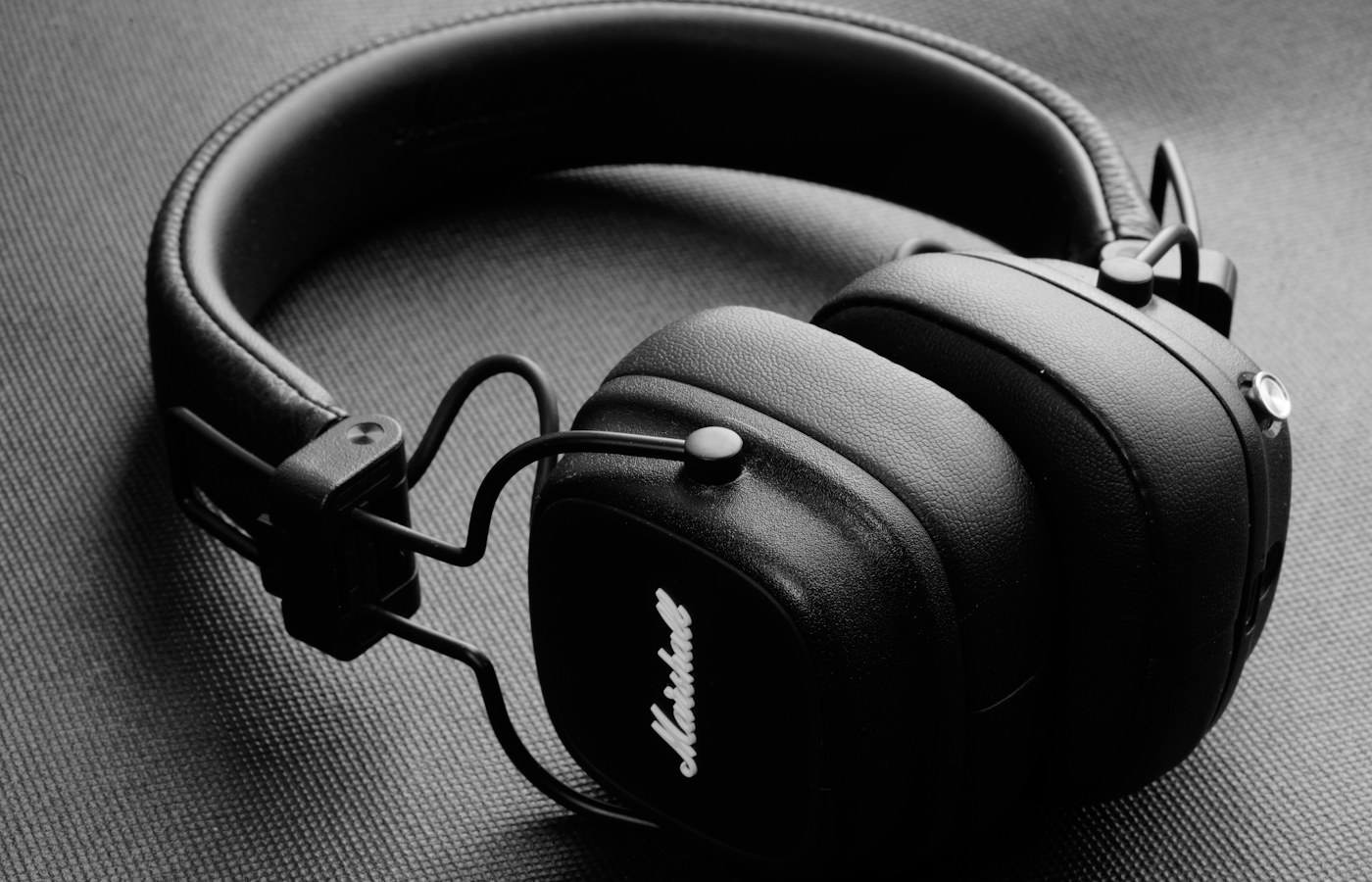
Record a brief sample, stop and listen with suitable headphones at a comfortable level. Check for clipping, intrusive hum, handling sounds and unexpected voices. The live experience of a place can distract you from faults in the recorded version. A short playback check is therefore more useful than assuming the recorder heard the same balance that you did. Keep playback volume moderate, especially when the file contains sudden impacts or other sharp events.
If the sound is distorted, consult the recorder's documented level controls and make another sample. Do not assume that software can repair every problem after the fact. If you cannot control the level, try a less intense position where appropriate. Avoid introducing an exact target number without understanding what the tool displays; recording applications differ in their controls and metering. The practical goal is a clear, undistorted sample with the intended subject audible. Save the test only if it provides useful information about the chosen arrangement.
Leave room before and after the event
For a short action such as a door closing or a machine starting under normal safe operation, begin before the event and continue after it. Those margins provide context and make editing less abrupt. For continuous ambience, allow enough uninterrupted time to hear the scene settle. Do not speak a description over the beginning of the only useful recording. You can make a separate spoken note or write the description alongside the file.
Stay aware of the surroundings while recording. Equipment should not block access, distract someone performing a task or encourage you to ignore changing conditions. If a location becomes busy or private conversation begins, stop and reassess. A shorter clean recording can be more useful than a longer file containing material you should not retain. The record button does not create an obligation to continue. Choosing an appropriate moment to stop is part of making a deliberate piece rather than collecting whatever happens to pass the microphone.
Keep the scene believable during editing
Listen to the full recording before selecting an excerpt. Mark the part that best represents the intended subject, and preserve the original while editing a copy. Small trims can remove handling sounds at the beginning and end. More substantial processing should serve a clear purpose. Heavy noise reduction may create unfamiliar artefacts or remove details that made the place interesting. Compare the processed excerpt with the unprocessed one at a similar comfortable listening level.
If you combine separate moments, be honest with yourself about the result. A constructed sound scene can be a legitimate creative choice, but it is different from an uninterrupted record of a particular moment. Keep notes describing significant edits, especially if the recording will accompany documentary material. Avoid presenting a dramatic combination as evidence of something that did not happen. For a personal creative project, a simple clean excerpt often does more work than a long chain of effects added because the application makes them easy to apply.
Remove information that does not belong
Review the selected excerpt for names, addresses, notifications or recognisable private conversation. A phone can produce its own alerts during a recording, and a quiet room can make distant speech unexpectedly clear. If sensitive material is present, choose a different section or discard the recording when necessary. Do not assume that reducing a voice's volume makes the information impossible to recognise. Consider the finished audience and context, not just whether you noticed the words on the first listen.
Keep the unused material only as long as it has a clear purpose. A folder of raw recordings can contain more personal information than the edited piece. Store it with appropriate access and avoid uploading it to an unfamiliar processing service without considering what you are sharing. If collaborators participated, honour the agreed scope of use. A recording made for a private family video should not quietly become a public sound library simply because you later find the atmosphere attractive.
Label the recording by what it contains
Give the useful file a descriptive name and keep a short note containing the date, general location, subject, equipment and any relevant permission or restriction. Avoid embedding a private address in a filename that may later be shared. Describe the perspective in ordinary language, such as rain from inside the closed window or room ambience with the ventilation running. These details help you choose the file later without reopening every recording in the folder.
Keep originals, edits and delivery files distinguishable. If you export a short excerpt for a video, retain enough information to trace it back to the source while the project is active. Do not rely on a name such as final-final-new. A clear project folder and a modest version label are easier to maintain. When the project ends, decide what deserves archival space and remove redundant work files through your normal review process. Organisation matters because an excellent recording you cannot identify is difficult to use responsibly.
Judge the result in its intended context
Place the excerpt in the project and listen to the transition into and out of it. A recording that is attractive alone can be too busy beneath speech or too abrupt beside another scene. Adjust the excerpt or choose a simpler moment rather than assuming the problem requires more elaborate equipment. Check the result on the kind of playback device the audience is likely to use, at a sensible level. You are evaluating the role the sound plays, not proving that one recorder is universally superior.
The most useful habit is to remain selective. Choose a subject, listen carefully, make a test and retain only material you can use with confidence and permission. Ambient recording rewards attention more than accumulation. A short, well-described sound from an ordinary place can give a project a convincing sense of space while respecting the people around it. That outcome depends on decisions made before and during recording, not merely on the ability to leave an application running for a long time.
Questions or a correction? Contact Tian Xin Kai at [email protected].
General educational guidance. Features vary; check your device documentation before changing settings.